
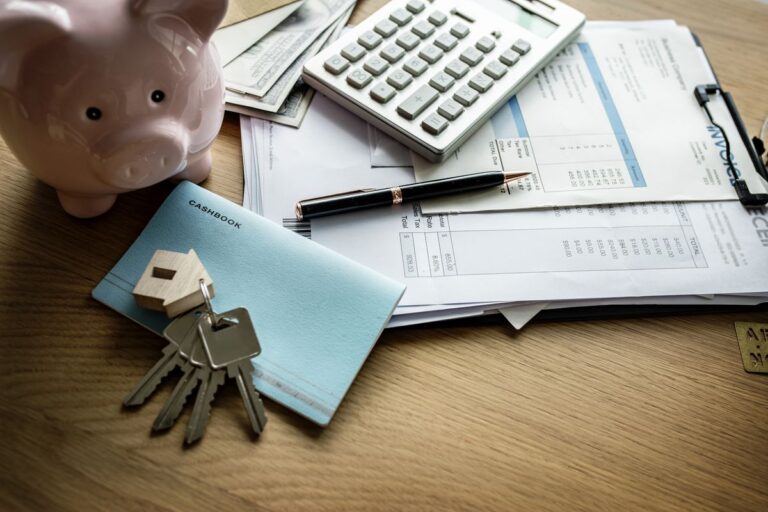
Saving for a house down payment is one of the larger financial projects most people undertake. The timeline is typically years, not months, and the target moves as home prices change. A structured approach makes the process manageable.
How Much You Actually Need
The traditional 20% down payment avoids private mortgage insurance (PMI) — an added monthly cost that typically runs 0.5%–1.5% of the loan amount per year. But 20% isn’t the only option, and in high-cost markets it’s an enormous number.
- Conventional loans: Can go as low as 3%–5% with PMI
- FHA loans: 3.5% down with a credit score of 580+; 10% with 500–579
- VA loans: 0% down for eligible veterans and service members
- USDA loans: 0% down in eligible rural areas
PMI isn’t permanent — it’s cancelable once your equity reaches 20% (either through payments or appreciation). The total cost of buying with 5% down and paying PMI for a few years vs. waiting for 20% depends on local market conditions, how fast prices are rising, and the opportunity cost of waiting.
Beyond the Down Payment: Additional Costs
The down payment often gets all the attention, but closing costs add 2%–5% of the home’s purchase price in additional upfront costs: origination fees, title insurance, appraisal, attorney fees, and prepaid items (first-year homeowner’s insurance, property tax escrow). On a $350,000 home, closing costs could run $7,000–$17,500.
Your savings target should account for both the down payment and estimated closing costs, plus a reserve for immediate post-purchase repairs or expenses.
Setting a Timeline
Determine your target home price range based on what you expect to qualify for (typically 3–5x your gross income, adjusted for existing debts). Calculate the down payment + closing costs you’re targeting. Divide by the number of months until your desired purchase.
Example: $300,000 target price, 10% down ($30,000) plus $9,000 estimated closing costs = $39,000 needed. Saving $1,300/month reaches that in 30 months (2.5 years). Saving $800/month takes about 49 months (4 years).
Adjust the timeline based on what’s actually achievable in your current budget. An aspirational 2-year timeline that requires impossible monthly savings leads to discouragement; a realistic 4-year plan that fits your actual capacity leads to a down payment.
Where to Keep Down Payment Savings
The right vehicle depends on your timeline:
- 3+ years out: A high-yield savings account earns real interest while keeping funds accessible and FDIC-insured. Some people use short-term CDs for a portion if they have a specific purchase date in mind.
- Under 3 years: Definitely keep it in cash/savings, not invested. The stock market can lose 30%–40% in a year — that’s catastrophic if you planned to buy a house when your portfolio declined.
First-Time Homebuyer Programs
Many state and local programs offer down payment assistance for first-time buyers — grants, forgivable loans, or low-interest second mortgages. Eligibility requirements vary (income limits, purchase price caps, homebuyer education requirements) but these programs are worth researching before assuming you need to save the full amount yourself.
HUD’s website lists approved housing counseling agencies that can walk through what’s available in your state.
Maintaining the Savings Rate
Down payment saving often spans years, during which life brings competing priorities: vacations, car expenses, job changes. The savings plan needs to survive these events. Having the down payment savings automated into a dedicated account with a named goal (“House Fund”) helps maintain the commitment through periods when it’s tempting to redirect the money.
Review progress quarterly: are you on track for your timeline? Does the timeline still make sense given current home prices and your income? Adjust the monthly contribution or the timeline rather than abandoning the goal when circumstances shift.
